Buyer Guides
Turnkey vs Toll Supplement Manufacturing
Manufacturing Responsibility Guide · 3 min read · Published 2026-10-01 · Updated 2026-10-01
Turnkey and toll manufacturing describe how sourcing and production responsibilities are divided. Compare the materials, records and approvals involved before choosing a project model.
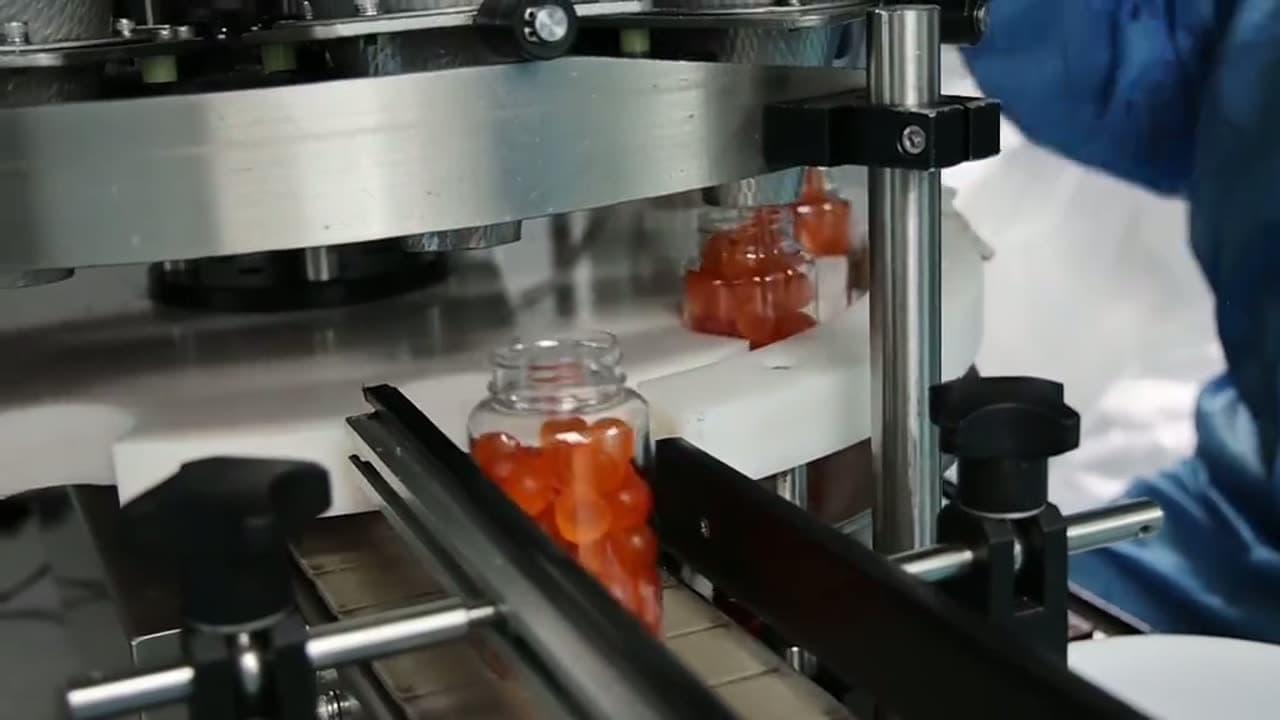
Start with responsibilities, not the label
In a turnkey arrangement, a manufacturer typically coordinates more of the material sourcing and production work. In a toll arrangement, the buyer typically supplies some or all of the materials while the manufacturer performs agreed processing or packing. These terms are shorthand, not a complete specification of either party’s responsibilities.
An arrangement can also combine the two: a brand may propose its own ingredient while asking the manufacturer to source other inputs and packaging. Record the actual scope rather than assuming the word turnkey or toll answers every question.
| Decision | Turnkey discussion | Toll discussion |
|---|---|---|
| Ingredients | Who proposes suppliers and approves ingredient specifications? | Which ingredients will the buyer supply, with which records? |
| Packaging | Who sources, approves and orders each component? | Which components arrive from the buyer and who checks compatibility? |
| Material readiness | Which sourcing decisions must be settled before scheduling? | What receipt, review and acceptance steps apply to supplied materials? |
| Finished product | Which specification and records are included in the agreed scope? | Which processing, packing and documentation tasks are included? |
Customer-supplied materials still need review
Having an ingredient or a printed bottle available does not mean it can be used in a proposed production route. Ask what information is needed for material identification, specification review, traceability, storage and handling, and packaging compatibility. Confirm whether samples or further records are needed before acceptance.
For each proposed supplied item, identify the supplier, specification version, quantity, intended use and expected arrival. Separate material availability from material acceptance; they are different dependencies.
Write a responsibility list for the quotation
- Who selects, purchases and approves each ingredient and packaging component
- Who provides specifications, material records and artwork
- How incoming materials are reviewed and acceptance is confirmed
- Who coordinates delivery, storage and any material shortfall
- How unused materials, substitutions and specification changes are handled
- Which production, packing, testing and document tasks the quotation includes
Do not assume a model fixes price or timing
Compare quotations for the same product, quantity, packaging and scope. A proposal that excludes ingredient purchasing is not directly comparable with one that includes it. Likewise, having materials on hand does not establish a production date if specifications, sample decisions or receipt requirements remain open.
Ask which dependencies are confirmed and which are assumptions. Review the consequences of a component change before agreeing the next step, rather than treating all sourcing models as interchangeable.
Discuss Material Sourcing with VITHELO
Tell VITHELO which ingredients or packaging you would like to supply. Include specifications, quantities and expected arrival dates so we can discuss material acceptance, sourcing responsibilities and production requirements.