Buyer Guides
Magnesium Glycinate Capsules: A Buyer’s Specification Guide
Ingredient Specification Buyer Guide · 6 min read · Published 2026-10-12 · Updated 2026-10-12
Before you compare magnesium glycinate capsule quotes, check what each milligram figure refers to. The weight of the ingredient, the amount of elemental magnesium and the total capsule fill are different measurements. You also need to know how many capsules make up one serving.
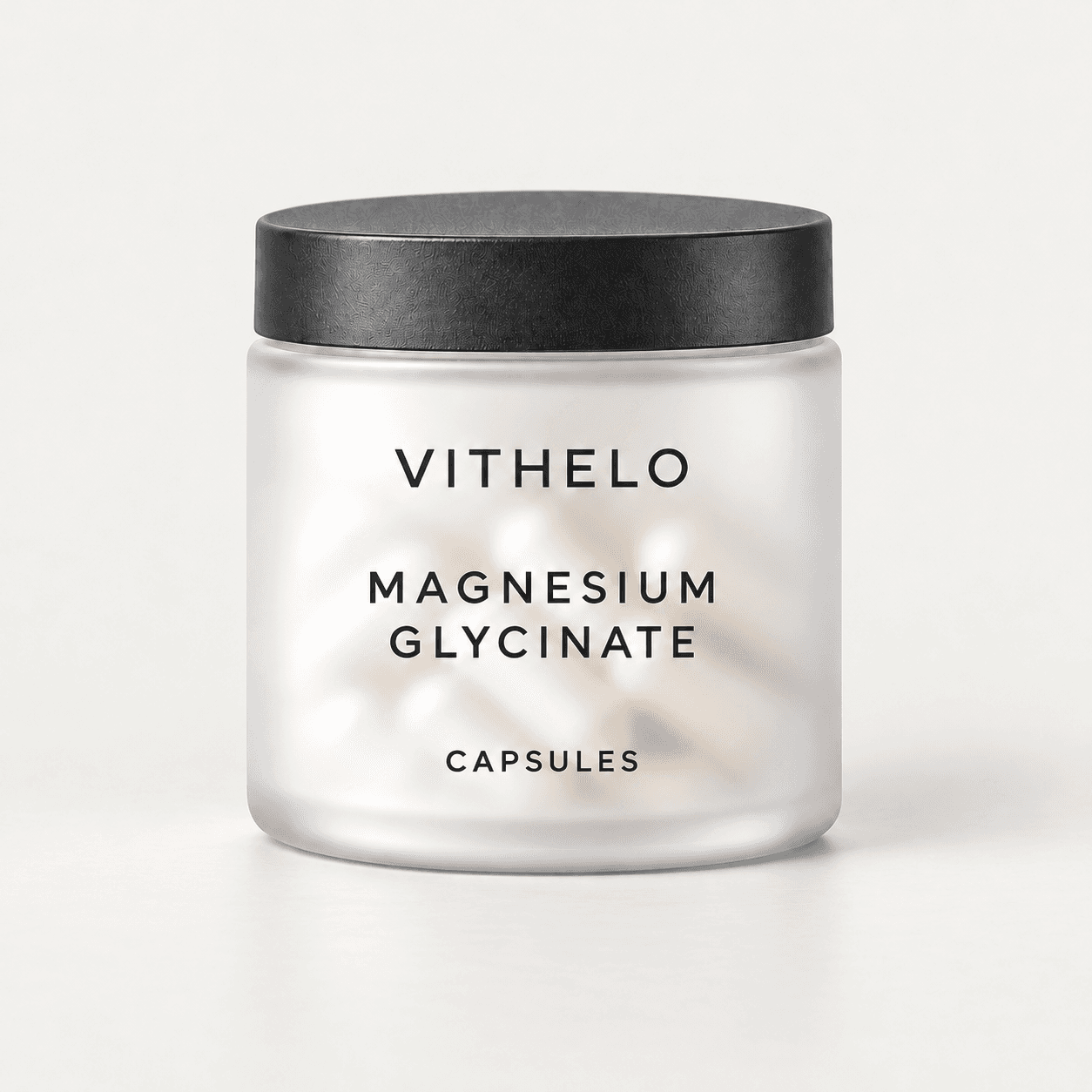
What does the magnesium amount on a quote mean?
Elemental magnesium means the magnesium itself, excluding the rest of the magnesium-containing compound. The NIH magnesium fact sheet explains that the US Supplement Facts panel reports this elemental amount. A quote that lists only “magnesium glycinate, 500 mg” leaves an essential question unanswered: how much elemental magnesium does that ingredient provide?
This guide is for brand owners, product developers and purchasing teams preparing a magnesium glycinate capsule project. It explains how to turn an ingredient description into a brief that a supplier can review. The labeling references are from the United States; check the rules for your own sales market before approving artwork.
Before you compare suppliers
- Ask for elemental magnesium per serving and ingredient weight per serving as separate figures.
- Confirm the number of capsules per serving and per bottle.
- Check which ingredient and batch each test result describes.
- Use the same formula, serving and packaging assumptions for every quote.
| Measurement | What it means | What to ask |
|---|---|---|
| Ingredient weight | The weight of the magnesium-containing material used in the formula | How much of this material is used per serving? |
| Elemental magnesium | The amount of magnesium that the material provides | How much magnesium does one serving provide? |
| Capsule fill weight | The total blend inside one capsule, including other ingredients | What is the proposed fill weight per capsule? |
| Serving size | The number of capsules in one stated serving | Does the quote use the same serving size as the proposed label? |
1. Confirm which ingredient you are buying
Ask for the ingredient’s full name, composition and current specification. If the supplier calls it “buffered” or “blended,” ask what else is in the material and which ingredients contribute magnesium. Similar product names do not establish that two materials have the same composition.
Next, check the magnesium assay: the measured magnesium content, usually expressed as a percentage. Ask whether that percentage is reported for the material as supplied or on a dry basis. A dry-basis result excludes moisture from the calculation, so it needs to be reconciled with the material you actually use.
Keep the agreed specification range separate from the result for a particular batch. The formulation review guide can help you decide which ingredient requirements are fixed and which remain open for development.
2. Calculate magnesium per serving
The basic calculation is: ingredient weight per serving × elemental magnesium percentage ÷ 100. Use the percentage for the specified material and the correct reporting basis.
For illustration, suppose a hypothetical material contains 10% elemental magnesium as supplied. Using 500 mg of that material provides 50 mg of elemental magnesium. If that amount is split evenly between two capsules, each capsule provides 25 mg. These round numbers explain the calculation; they are not a typical glycinate percentage, a VITHELO formula or an intake recommendation.
If the formula contains more than one magnesium source, calculate the contribution from each source before adding them together. Review the calculation whenever the ingredient, assay basis or capsules per serving changes.
3. Check that the formula fits the capsule
Once the elemental amount is clear, ask the development team to assess the complete blend. Capsule size, shell choice, other ingredients and how the powder behaves during filling all need to be considered together.
Tell the supplier which choices you can change. For example, can you accept a different capsule size or more capsules per serving? Establish those priorities before sampling so the team can discuss practical alternatives.
Then compare the same number of servings. A 60-capsule bottle contains 30 servings at two capsules per serving, or 60 servings at one capsule per serving. Price per bottle alone will miss that difference. Ask for a comparison using the agreed serving size as well as the bottle count.
| Document | What to check | What still needs confirmation |
|---|---|---|
| Ingredient specification | The material’s identity, composition, magnesium assay basis and acceptance limits | The actual results for the supplied batch |
| Raw-material certificate of analysis (COA) | Batch number, test methods, units, limits and actual results | The magnesium amount in the finished capsules |
| Approved formula and fill record | Ingredient weights, capsule count and formula revision | Finished-product test results |
| Finished-product test report | Tested batch, sampling basis, magnesium result and acceptance limits | The raw material’s chemical identity, which total magnesium testing alone does not establish |
How to read a certificate of analysis
A certificate of analysis, or COA, records test results for the material or product it identifies. Start with the product name and batch number, then check the method, units, acceptance limits and result. Make sure the record matches the material or finished batch under discussion.
When two figures disagree, check their basis before comparing them. One may describe raw material as a percentage, while another gives milligrams per capsule or per serving. Ask the supplier to explain the difference and show how the figures connect.
For US dietary supplement manufacturing, the FDA CGMP guide explains specification and verification requirements. It covers dietary ingredient identity testing and the conditions for relying on supplier COAs for other applicable specifications. A COA alone does not replace all required verification.
Agree the testing scope with the responsible quality team. For a broader supplier review, use the supplement buyer document checklist.
5. Put these details in your request for quotation
- Sales market and intended customer group.
- Proposed elemental magnesium per serving, with capsules per serving stated separately.
- Requested ingredient, composition requirements and available specification documents.
- Capsule-shell preferences, capsules per bottle and packaging requirements.
- Raw-material and finished-product testing requirements, including methods and reporting units.
- Items still open for discussion, plus a request to identify what the quoted price includes.
Review the brief before approving the label
A request for quotation, often shortened to RFQ, helps suppliers price the same project. Mark undecided details as “to be confirmed” instead of filling them with assumptions. The supplement RFQ guide covers the remaining commercial information.
Before approving artwork, check that the nutrient amount, ingredient source and serving size agree with the approved formula and supporting records. The FDA nutrition-labeling guide explains how dietary-ingredient amounts and source information are presented for the US market. Other destinations require their own label review.
Keep benefit claims separate from the specification check. Claims about sleep, recovery or absorption need appropriate evidence and a review for the intended market. VITHELO’s capsule product page is a starting point for a project discussion; the formula, testing scope, order quantity and schedule need to be confirmed for your project.